Vinyl Frame or Fiberglass Frame: Which Holds Up Here
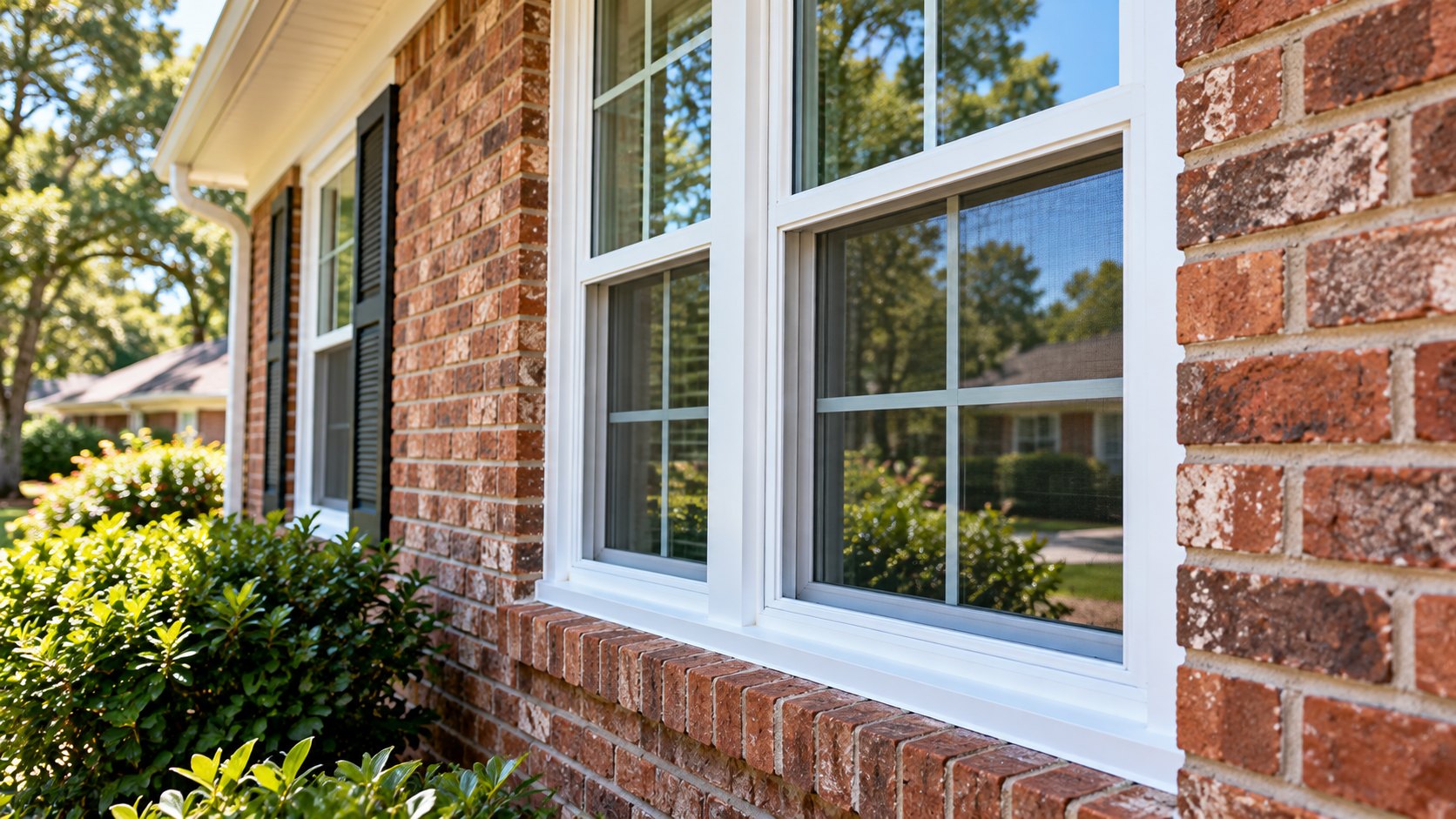
A vinyl frame resists moisture and never needs repainting, which matters through Sumter's humid summers. A fiberglass frame costs more up front but holds its shape through wider temperature swings without expanding or contracting the way some materials do. Either frame can be built around double-pane glass or triple-pane glass, so the frame choice and the glass choice are separate decisions, not a package deal.
Double-Pane, Triple-Pane, and Low-E Coatings Explained
Double-pane glass uses two panes with a sealed air space between them, and it's the standard glass package for most homes. Triple-pane glass adds a third layer and a second sealed space, which some homeowners choose for rooms facing more direct sun or street noise. A Low-E glass coating is applied to the glass itself to reflect heat back out in summer and hold indoor heat in winter, and an argon gas fill between the panes slows heat transfer further than plain air would.
LowerHigher
Reading the U-Factor Rating
The U-factor rating tells you how much heat a window lets through, and a lower number means tighter performance for a Sumter window replacement in either direction, hot or cold. It's one of the few specs you can compare directly across brands when you're weighing options.
Sealing the Frame Against Sumter's Humidity
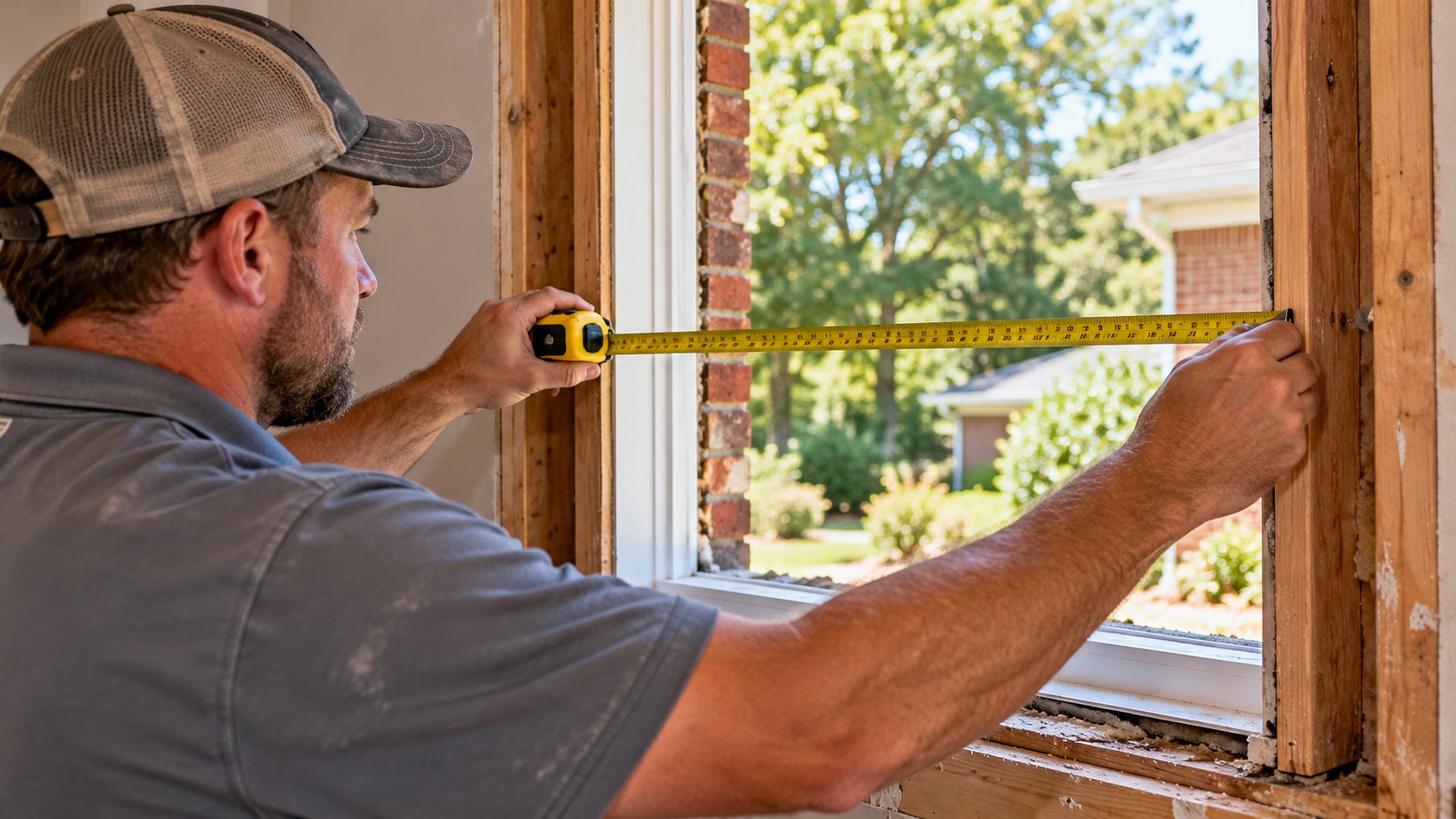
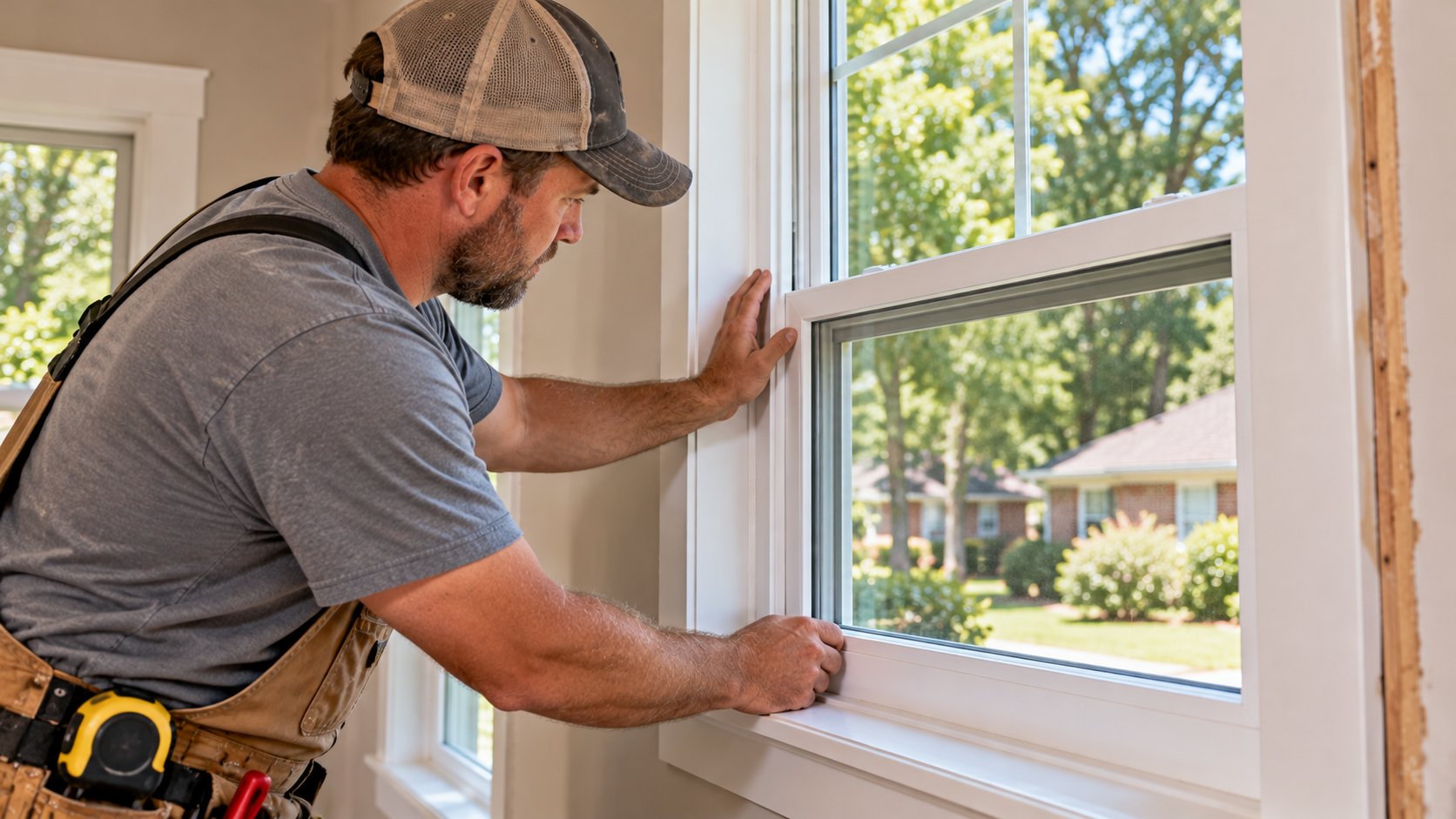
Weatherstripping and window flashing are what actually keep water and air from working their way around the frame once the glass is in. Weatherstripping seals the moving parts of the sash, while flashing directs any water that reaches the frame back outward instead of into the wall cavity. Getting the rough opening size right before the new unit goes in matters just as much as the materials, since a frame that's shimmed and sealed off-square will leak or bind no matter how good the glass is.